
DTG vs DTF for Small Business in 2026: The Honest Comparison
Most guides compare the technology. This one compares your shop — your fabrics, your space, your power, your budget — and tells you which one actually makes sense.
Every comparison chart will tell you DTF works on more fabrics. DTG has a softer hand feel. DTF is better for bulk. DTG is better for one-offs. All of that is true. None of it tells you which machine is right for your specific shop.
That depends on what you’re printing, how many pieces you’re running, where your shop lives, and what your power situation looks like. Those things vary by shop. So does the right answer.
This guide is organized around those factors — not a spec sheet. By the end, you’ll know exactly which technology makes sense for your situation, and what questions to answer before you spend a dollar.
- Desktop printers run on standard 110V (production dryers/shakers may need 220V)
- Entry desktop bundle: $3,500–$7,000; production all-in-one: $15,000–$25,000
- Prints on cotton, polyester, blends, hats, bags
- No pre-treatment on dark garments
- Total consumables (ink + film + powder): ~$0.40–$1.50/print
- Most desktop & mid-range machines run on standard 110V
- Mid-range production setup: $8,000–$15,000
- Best on 100% cotton — softest in-fabric feel
- Pre-treatment required on dark garments
- Total consumables on darks: ~$1.00–$2.50/print
The real decision driver: your fabrics, space, power, and order mix. Answer the five questions below before looking at a single spec sheet.
What they actually are (the short version)
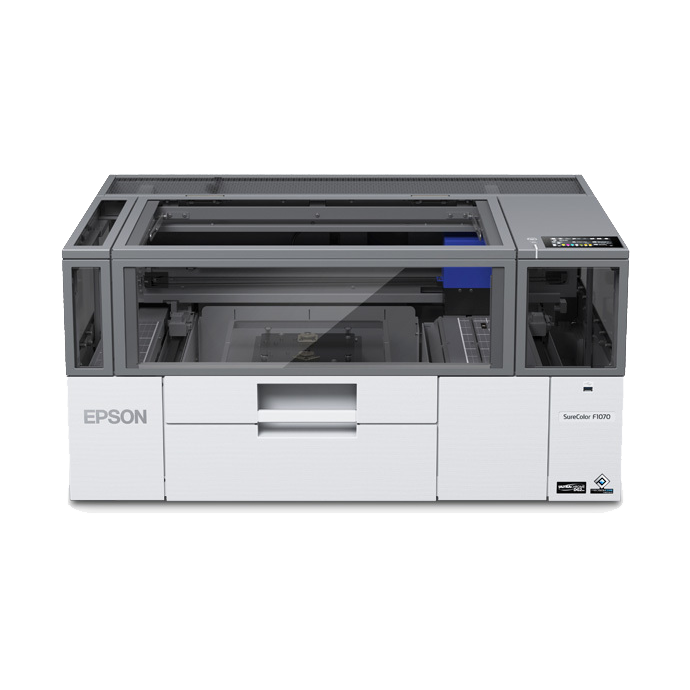
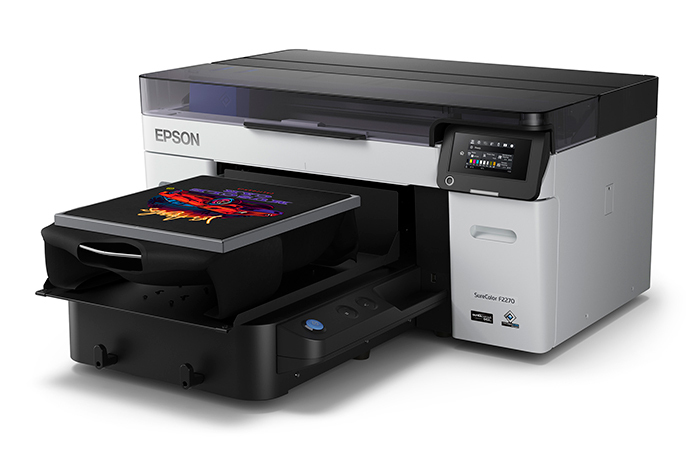
DTG (Direct to Garment): A specialized inkjet printer that prints directly onto the fabric. The ink soaks into the fibers. What comes out is soft, breathable, and feels like part of the garment — not sitting on top of it. Works best on 100% cotton.
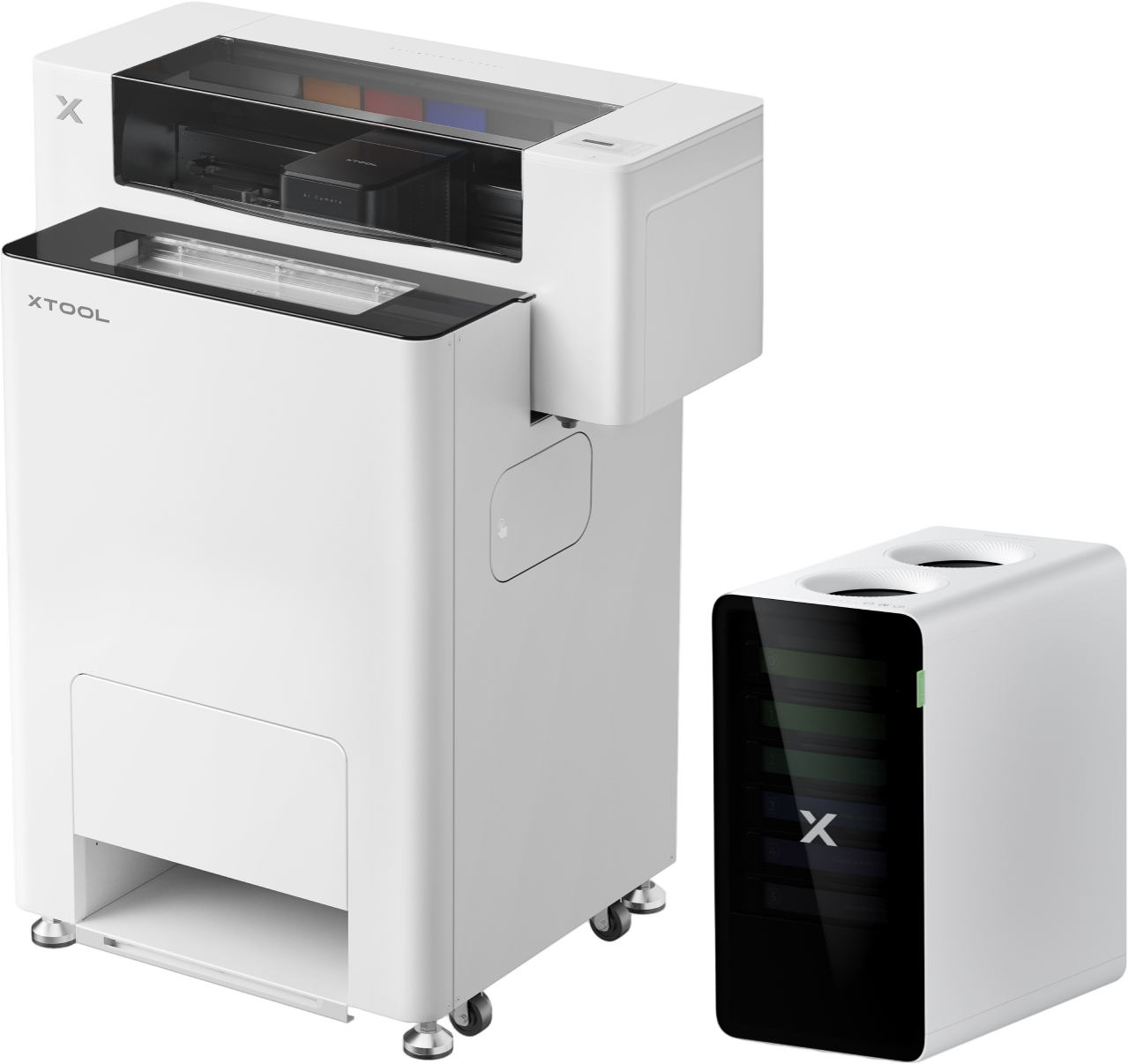
DTF (Direct to Film): You print your design onto a special transfer film, apply an adhesive powder, cure it, then heat-press the finished transfer onto the garment. The result bonds strongly to almost any fabric — cotton, polyester, blends, nylon, even hats and bags.
Both produce full-color digital prints. Both require a heat source. Both have real ink costs. The differences that matter are about how they work with your shop — not how they work in a lab.
The five questions that actually decide this
Before we get into specs, answer these. Your answers will tell you more than any comparison chart.
1. What fabrics are you printing on?
DTG is built for 100% cotton — t-shirts, hoodies, sweatshirts. If that’s your world, it excels. If you’re regularly printing on polyester, performance fabric, blends, hats, tote bags, or nylon, DTF is the better fit. It bonds to almost any substrate, which is the single biggest practical advantage it has over DTG.
2. What are your typical order sizes?
DTG is built for short runs and one-offs. Print one shirt with no setup waste, no minimum, no leftover transfers. DTF is more efficient as volumes climb — you gang multiple designs onto a single sheet and run them through the heat press in batches. If you’re consistently printing 50+ pieces per run, DTF’s workflow becomes a real time and cost advantage.
3. What’s your space and power situation?
This one surprises a lot of buyers — and it cuts both ways. Most desktop and mid-range DTG printers (common models from Epson, Brother, and Ricoh) run on standard 110V household power. So do desktop DTF printers. Where the 220V requirement actually shows up in a DTF setup is the dryer and powder shaker — especially production belt-style curing ovens. If you’re pricing out a production DTF system, check power requirements for the full system, not just the printer.
Footprint is the other factor nobody mentions. Production DTF dryers and shakers can be large — some won’t physically fit through a standard interior doorway (typically 32–36″ wide). If you’re setting up in a spare bedroom, basement, or garage where the main entry is a standard door, measure your access points before you buy. Getting a curing unit delivered and finding it can’t clear the door is an expensive and avoidable problem. Desktop DTF equipment is compact enough that this isn’t a concern.
4. What’s your budget — including ongoing costs?
DTG on dark garments requires pre-treatment solution, a white ink underbase, then color — total consumable cost per print runs approximately $1.00–$2.50 depending on machine and design coverage. DTF skips pre-treatment entirely, but the right comparison is total consumables: DTF ink plus film plus powder runs approximately $0.40–$1.50 per print on dark garments. On light garments, both technologies are closer — DTG ink runs $0.30–$0.90; DTF total consumables are similar. The real cost advantage for DTF is on dark fabric orders where it avoids the pre-treatment and white underbase cost entirely. Budget matters at purchase and per-print.
5. What do you want the finished product to feel like?
DTG ink absorbs into the fabric fibers. The result is soft, breathable, and feels like part of the garment. DTF transfers sit slightly on top — they soften with washes, but the initial feel is different. For premium retail apparel where hand-feel is part of the pitch — boutique tees, organic apparel, streetwear — DTG’s feel advantage is real. For custom orders, event tees, and promotional apparel, most customers won’t notice the difference.
When DTG makes more sense for your shop
You’re printing primarily on 100% cotton. DTG is purpose-built for cotton. Standard tees, premium hoodies, organic blanks — this is its home court.
Soft hand-feel is part of your product. If you’re building a brand around feel — higher-end retail, fashion-forward tee lines, anything where the customer’s first reaction to touching the shirt matters — DTG ink integrates with the fabric in a way DTF doesn’t match.
Your order profile is mostly short runs and custom pieces. One shirt. Ten shirts. Print it, cure it, it’s done. No gang sheet to fill. No transfers to pre-make and inventory.
Your space and setup work for it. Most DTG printers run on standard 110V, so electrical requirements are less of a barrier than many buyers expect. The bigger consideration is having a stable, dedicated work area — DTG benefits from consistent temperature and humidity. Unlike production DTF dryers and shakers, standard DTG equipment won’t give you doorway clearance headaches.
You have strong technical aptitude and time to learn. DTG has a real learning curve — white ink management, pre-treatment consistency, RIP software, print head care. The ceiling is high. So is the floor.
When DTF makes more sense for your shop
You’re printing on mixed fabrics. Polyester jerseys. Nylon bags. Performance blends. Hats. DTF handles the substrate variety that DTG can’t. If your customers bring you all kinds of garments, DTF covers more ground from a single machine.
You’re starting in a home or small shop. Desktop DTF printers run on standard 110V. The caveat: production systems with belt-style dryers or powder shakers often require 220V and can be physically large — some won’t fit through a standard interior doorway. Desktop DTF sidesteps both issues entirely. Know which tier you’re buying before you plan your space.
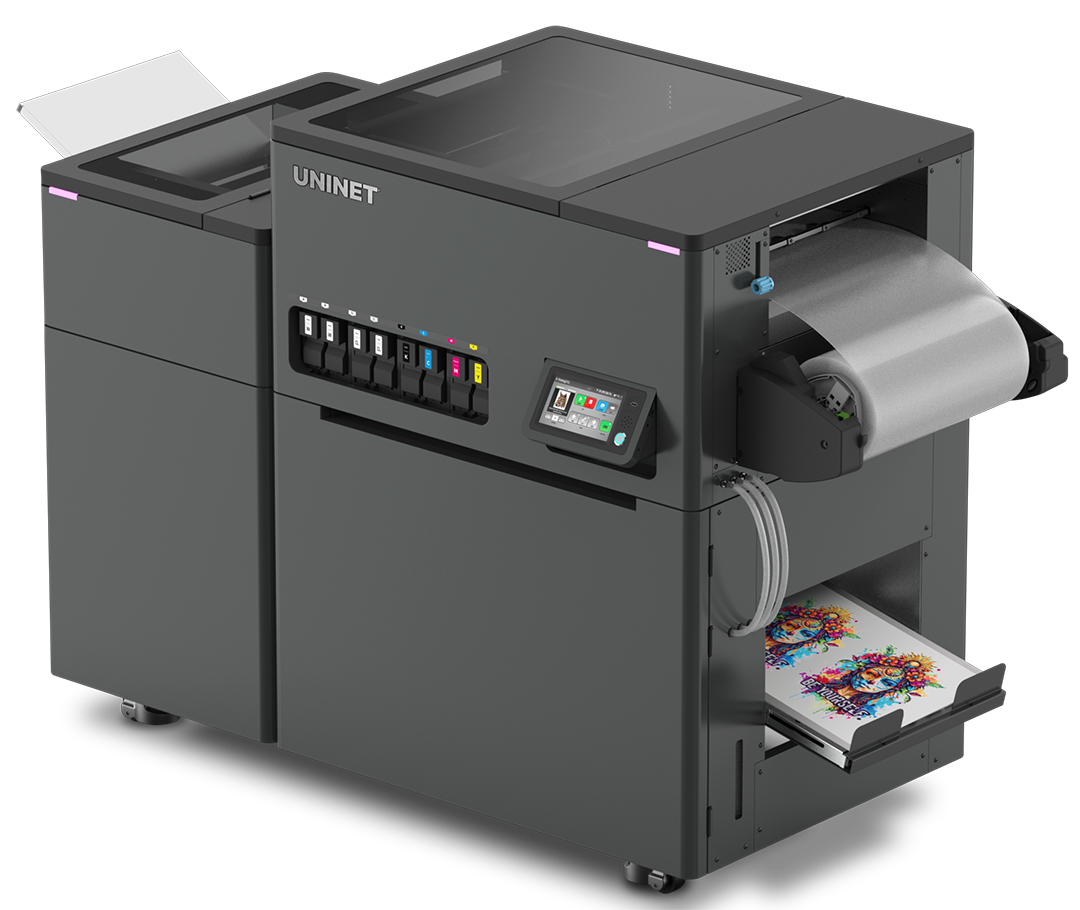
Your budget is tighter upfront. Entry desktop DTF bundles (printer + compact curing unit + heat press) start around $3,500–$7,000. Full-sized production all-in-one DTF systems run $15,000–$25,000. DTG at a serious production level runs $8,000–$15,000. If you’re capital-constrained, desktop DTF gets you to a real printing operation fastest.
You want more product versatility from day one. One DTF setup can print on shirts, hoodies, hats, bags, and more — anything you can heat press. You’re not limited by substrate, which opens up more customer options without additional equipment.
Your volumes are growing and you want room to scale. DTF’s gang sheet workflow — packing multiple designs onto a single sheet — becomes an efficiency advantage as volume increases. Pre-print transfers, inventory them, fulfill from stock. DTG doesn’t work that way.
When you might want both
A hybrid setup — DTG for cotton print-on-demand, DTF for everything else — is how a lot of established shops operate. It’s also a legitimate planning approach: start with one, leave room for the other. You don’t have to decide forever. You have to decide for today.
The right sequencing depends on where your orders are coming from right now. Mostly cotton tees? Start DTG. Mixed fabric clients, tight on budget and space? Start DTF. Build the second capability when the volume justifies it.
The real cost numbers
Desktop DTF bundles start around $3,500–$7,000; full-sized production all-in-one DTF systems run $15,000–$25,000. Mid-range production-capable DTG runs $8,000–$15,000, and most machines run on standard 110V. Per-print costs diverge most on dark garments: DTG total consumables (pre-treatment + white underbase + color ink) run approximately $1.00–$2.50 per shirt; DTF total consumables (ink + film + powder) run approximately $0.40–$1.50. Here’s the full breakdown most comparison guides skip.
| Category | DTG | DTF |
|---|---|---|
| Entry desktop setup | $3,000–$6,000 Lower throughput; fine for testing the market |
$3,500–$7,000 Desktop bundle: printer + compact curing unit + heat press |
| Mid-range setup | $8,000–$15,000 Most run 110V; production-capable |
$8,000–$15,000 Better throughput, reliable ink system |
| Full production / all-in-one | $20,000–$30,000+ | $15,000–$25,000+ Integrated printer, belt dryer, shaker. Often 220V; verify doorway clearance before delivery. |
| Total consumables — light garment | $0.30–$0.90 Ink only; no pre-treatment on light garments |
$0.40–$1.00 Ink + film + powder |
| Total consumables — dark garment | $1.00–$2.50 Pre-treatment + white underbase + color |
$0.40–$1.50 Ink + film + powder; no pre-treatment step |
| Key ongoing supplies | Pre-treatment solution, ink, RIP software license, print head maintenance | Transfer film, adhesive powder, heat press consumables. Film and powder are included in the per-print cost estimates above. |
| Power requirements | Most desktop & mid-range: standard 110V Verify for production units |
Printers: standard 110V Production dryers/shakers: often 220V Verify full-system requirements |
Know your numbers before you print your first order. Profitability lives in cost per print — not purchase price.
What’s changed in 2026
DTF adoption has accelerated sharply. Search volume for “DTG vs DTF” grew approximately 60% year-over-year heading into 2026 — a proxy for how many more buyers are actively researching the comparison. Entry-level DTF equipment pricing has dropped by roughly 30–40% since 2023, opening the technology to home-based operators who previously couldn’t justify the investment.
The quality gap between DTF and DTG has narrowed substantially. On most garments, most customers won’t notice a difference. The cases where DTG’s feel advantage matters are increasingly specific: premium retail, organic apparel brands, products where hand feel is explicitly part of the brand pitch.
DTG hasn’t stood still either. White ink management has improved significantly. Pre-treatment systems are more consistent and less operator-dependent. Some machines have closed the setup-complexity gap. But the fundamentals haven’t changed: still best on cotton, still requires pre-treatment on dark garments, still produces the softest in-fabric feel on the market.
The bigger shift in 2026 is structural: a growing number of shops that started on DTG are adding DTF as a second capability — not to replace their DTG, but to capture mixed-fabric orders they were previously turning away. Industry observers estimate that hybrid shops now represent a significant and growing segment of mid-size custom apparel operations.
The question to answer first
Before any of the above matters, answer this: what does your shop actually look like?
What are your customers ordering right now? What fabrics? Where are you running your operation — and what power do you have? What’s your realistic weekly volume? What’s your budget for the machine and the full setup?
Those five answers will do more to guide the right decision than any spec comparison. It’s why PrinterBiz’s fit assessment process starts there — not with the machine, with the shop.
Not sure which is right for your shop?
Tell us about your setup — what you’re printing, your space, your volume, your timeline — and we’ll give you a straight answer. DTG, DTF, or a combination. No pitch.
Get a recommendation for your shop →We actually answer. Usually same day.
Pricing data sourced from PrinterBiz equipment catalog and market research (March 2026). Per-print cost estimates based on typical shop conditions; actual costs vary by machine model, design coverage, and ink usage. Keyword volume trend data sourced from Google Keyword Planner (February 2026).